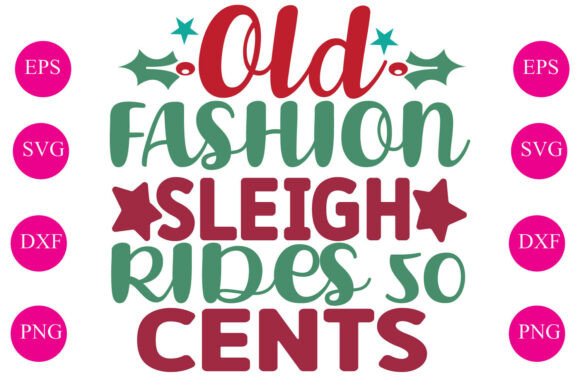
Old Fashion: A Sassy Western Christmas Embroidery Design Review
When I first opened the Old Fashion digital embroidery file, it immediately caught my eye with its bold character and whimsical charm. The design leans into a sassy western Christmas vibe—think vintage typography mixed with festive flourish elements. It’s not your typical holiday embroidery; instead, it brings a touch of personality that stands out on any garment or craft item. This kind of visual energy is perfect for those who want to offer something memorable in their handmade products or custom apparel lines.
A First Glance at Visual Personality
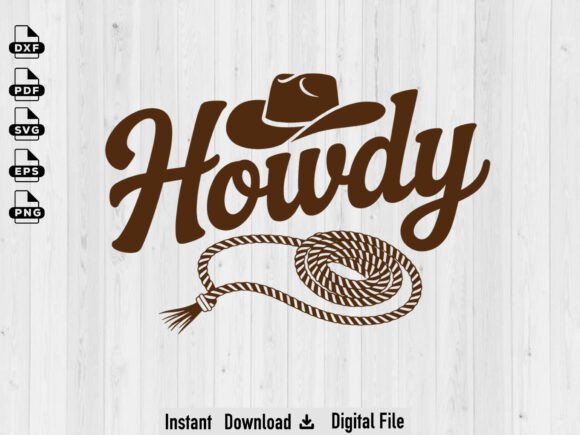
The layout of Old Fashion feels intentionally crafted, with a strong focal point centered around a stylized text element. The surrounding fancy flourish style forest gives the design a layered, almost storybook-like quality. As an embroidery designer, I appreciate how the negative space is balanced with decorative details, making it feel full without being overwhelming. The theme resonates well with both rustic and modern aesthetics, which means it can easily adapt to various product types and customer preferences.
I could see this design fitting beautifully on a sweatshirt embroidery project for a boutique line, or even as a standout feature on a personalized gift like a baby blanket or tote bag. The mood it creates is nostalgic yet playful, which makes it especially appealing for holiday-themed items where people are looking for something a bit more unique than traditional snowflakes or Santa illustrations.
Real-World Stitching Performance
In real-life embroidery scenarios, Old Fashion performs admirably when applied to medium to heavy-weight fabrics such as cotton blends, flannel, or denim. On a sweatshirt, the design holds up well with proper stabilizer use and good tension settings. The stitch density is moderate, so it doesn’t risk puckling if you’re careful with the backing material. For tote bags, the same applies—it adds a professional finish without compromising durability.
As an embroidered patch or applique design, Old Fashion has potential but requires attention to detail. The intricate flourishes might need a little extra care when cutting or weeding if you're using heat transfer vinyl. But as an SVG file, it works great with Cricut or similar machines, especially when paired with printable mockups for digital product previews.
For custom apparel, particularly t-shirts, the design shines best on light-colored backgrounds. The thread colors provided (assuming they are included in the package) offer a nice contrast against white or cream fabric. However, if you plan to use it on darker materials, consider switching to lighter thread shades to maintain visibility and impact.
Where Caution Is Advised
While Old Fashion is versatile, there are a few areas where it should be used carefully. The design includes small, detailed elements that may not render well in tight hoop sizes. If you're working with a hoop size under 4x4 inches, some of the finer aspects might get lost in translation. Always check the recommended minimum hoop size before proceeding, and if it's not listed, test it on scrap fabric.
Textured fabrics can also pose a challenge. The delicate linework and dense fill stitches might appear uneven or distorted if stitched onto canvas or felt. Thin or stretchy materials, like jersey knit, could cause distortion unless you use a suitable stabilizer and adjust stitch density accordingly.
Another consideration is the placement on curved surfaces. While the main text is relatively flat, the surrounding decorative elements may require manual tweaking to fit nicely on a cap or hat. Don’t skip the step of resizing and repositioning the design to match the curvature of the surface—this will make all the difference in the final look.
Design Impact and Customer Appeal
From a business perspective, Old Fashion enhances the visual appeal of a finished product significantly. Its western flair and holiday twist make it stand out in crowded Etsy listings or craft fair displays. Customers tend to gravitate toward designs that tell a story or evoke a specific feeling, and this one definitely does both.
What I love most is how it elevates the perceived product value. Even on a simple tee or apron, the design adds a level of sophistication and thoughtfulness that customers notice and appreciate. This kind of presentation builds customer trust and increases buyer engagement, especially during the holiday season when shoppers are looking for meaningful gifts.
If you're selling handmade products or running a craft business, using this design consistently across your range can help establish brand recognition. It’s not too over-the-top, yet it carries enough personality to become a signature look. That said, always ensure you understand the licensing terms—if you plan to sell finished items or digital embroidery files, confirm whether commercial use is permitted.
Practical Tips for Using Old Fashion
- Test on scrap fabric: Especially important for beginners or when trying new techniques like satin stitch or fill stitch variations.
- Check thread color contrast: Use a black-and-white mockup to simulate how the design will look on different colored bases.
- Review stitch density: Adjust for fabric type and machine capabilities to avoid puckering or distortion.
- Confirm hoop size: Ensure the design fits comfortably within your available hoops without stretching or cropping key elements.
- Inspect small details: Look closely at lettering and flourishes to verify clarity and legibility after stitching.
- Use proper stabilizer: Choose between tear-away, cut-away, or wash-away based on the fabric and project needs.
- Compare light and dark backgrounds: See how the design reads differently and decide which thread palette to use.
- Consider washing frequency: Designs with dense stitch areas might fade faster on items like baby clothes or kitchen towels.
- Test for giftability: Try it on a pillow cover or apron to see if it suits a home décor or holiday gift context.
Best Uses for Old Fashion
Old Fashion is ideal for holiday embroidery projects, especially those targeting adults who enjoy vintage-inspired styles. It would work beautifully on:
- Custom sweatshirts for a western-themed boutique
- Festive t-shirt designs for a seasonal Etsy collection
- Personalized baby items with a country twist
- Embroidered patches for denim jackets or hats
- Tote bag designs for handmade shop owners or event giveaways
- Nursery decor for parents seeking a stylish yet cozy aesthetic
Final Thoughts from a Designer’s Perspective
Overall, Old Fashion is a solid addition to any embroidery designer’s repertoire. It brings a fresh take to Christmas graphics, combining sass and sentiment in a way that feels authentic and engaging. Whether you're creating a handmade product for your own collection or preparing design assets for resale, this design offers a lot of creative flexibility.
However, it’s important to remember that no design is one-size-fits-all. The success of Old Fashion depends heavily on the execution—choosing the right fabric, stabilizer, and thread combination is key. Also, keep in mind that it may not be the best choice for very small embroidery projects or items that undergo frequent wear and washing. In these cases, simplifying the design or focusing on the central text might yield better results.
If you're an Etsy seller or small shop product creator aiming to boost your holiday sales, Old Fashion could be a great investment. Just make sure to review the files thoroughly and test them in your usual workflow before committing to production. With a little preparation and attention to detail, this western-chic design can become a hit with your audience—and maybe even earn a spot in your year-round offerings.