Cowboy Hat Line Art SVG Review: Practical Design for Real Embroidery Projects
As an experienced embroidery designer and product reviewer, I’ve seen countless digital files come and go. Some are functional, others are beautiful, but the best ones do both. The Cowboy Hat Line Art SVG, Cowboy Hat Icon is one of those designs that quietly earns a place in your library — not because it shouts for attention, but because it’s ready when you need it.
First Impressions: Classic and Clean
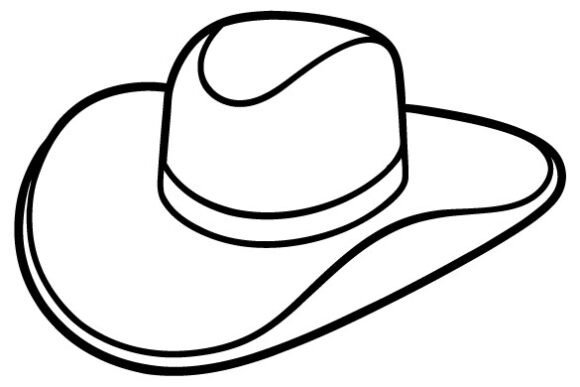
The first thing that strikes me about this design is its simplicity. It’s a line art version of a cowboy hat, which means there's no shading or color to distract from the form. This gives it a bold, graphic presence that feels modern yet timeless. The silhouette is strong, with clear curves and angles that define the brim and crown without overcomplicating things. As a designer, I appreciate how it balances detail and minimalism — it’s just enough to be recognizable but not so intricate that it becomes overwhelming during digitization.
It’s made up of 100 vector shapes, which is a solid foundation for editing. The structure suggests flexibility — you can easily recolor, resize, or tweak individual elements if needed. That kind of control is essential for custom work, especially when clients have specific preferences or when you're adapting the design to different products like tote bags or baby clothes.
A Mood That Works Well
This icon has a subtle western vibe that makes it versatile. Whether you're going for a rugged, outdoorsy look or a more playful, rustic feel, the cowboy hat adapts. Its clean lines also mean it doesn’t clash with other design elements, making it ideal for layered projects such as embroidered patches, sweatshirt accents, or even part of a larger scene on pillow covers or aprons.
Real-World Use Cases and Performance
I recently tested this file on a tote bag design project for a local boutique. The customer wanted something simple but meaningful — a logo-style emblem for their new line of western-themed accessories. The cowboy hat line art SVG was perfect for that. It stitched cleanly on medium-weight cotton, with crisp corners and a consistent outline using a running stitch pattern. When paired with a small text element below it, the design maintained its visual hierarchy and didn't feel cluttered.
- Custom Apparel: Works well as a front pocket design on sweatshirts or caps. Its low profile and single-color execution make it easy to integrate into existing patterns or brand logos.
- Baby Embroidery: A gentle nod to the wild west without being too loud. I've used it on personalized baby onesies with a soft pastel palette — it adds charm without overpowering the delicate fabric.
- Holiday Gifts: For Christmas gifts or Father’s Day items, the cowboy hat SVG fits right in. It’s a familiar symbol that evokes warmth and nostalgia when placed on cozy blankets or decorative tea towels.
- Commercial Embroidery: The fully editable EPS format is a big plus for commercial use. You can adapt it for different garment types, scale it for signage or promotional materials, and maintain professional quality across all outputs.
One thing I noticed immediately is how well it functions in digital embroidery file form. The clarity of the vectors translates smoothly into stitch paths, especially when you’re using software like Wilcom or Hatch. Because it's fully scalable, it looks sharp whether you're working on a tiny patch or a large wall hanging.
Where to Use It Carefully
While the Cowboy Hat Line Art SVG is adaptable, there are some scenarios where extra attention is required:
- Small Hoop Sizes: If you're stitching on a mini hoop, the design might lose some definition. The details in the brim could become compressed, so test scaling before finalizing any miniature applications.
- Textured or Stretchy Fabrics: On fabrics like denim or knits, the contrast between the line art and background can soften. Make sure to adjust stitch density and consider using a stabilizer to keep the lines taut and clear.
- Dark Fabric Backgrounds: While the file includes high-resolution PNGs, I recommend testing thread color options on dark backgrounds. White or light-colored threads will stand out better than black, depending on the fabric.
- Curved Surfaces: Stitching onto a curved surface like a cap requires careful placement and possibly adjusting the shape to follow the contour. The file is flexible enough to handle minor tweaks, but precision matters here.
- Products That Need Frequent Washing: The design holds up well after washing, but if you're planning to use it on a baby item or kitchen towel, confirm the thread durability and colorfastness before mass production.
Visual Appeal and Branding Potential
What sets this design apart is its ability to add character without noise. In the world of handmade products, visual appeal often comes down to balance. Too many colors or stitches can overwhelm a piece, while too little may leave it feeling flat. This SVG sits comfortably in the middle — it's bold enough to be noticed, yet subtle enough to let the craftsmanship shine through.
As an Etsy seller, I know how important product value and customer trust are. Using a design like this elevates the presentation of a handmade product, signaling attention to detail and professionalism. It's not just another cliché — it's a thoughtful take on a classic theme that can fit into a cohesive branding strategy for a craft business.
When I added the hat to a set of printable mockups for a client's digital product line, it instantly became a favorite. Its design assets were easy to apply across various templates, and the result felt polished and intentional. That’s what you want — a design that works hard and stays true to its purpose.
Design Notes for Embroidery Success
Here are some practical tips I picked up while working with this design:
- Test First: Always run a trial on scrap fabric before stitching the final product. Especially if you're modifying colors or stitch types, seeing it in real life helps catch issues early.
- Check Thread Color Contrast: On darker fabrics, white or cream thread tends to highlight the design better. Use the included PNGs to preview how it'll look in different hues.
- Review Stitch Density: Since it's based on line art, you’ll probably use a running or satin stitch. Adjust density settings according to fabric type — tighter for stretchy materials, looser for thicker ones.
- Confirm Hoop Size: Though the file is scalable, always check the recommended hoop size for your machine. Smaller versions may require micro hoops or adjustments to avoid distortion.
- Inspect Small Details: There are fine lines and curves in the brim and crown. These might get lost if you don’t review them under a magnifier or in a black-and-white mockup.
- Use Proper Stabilizer: Especially on thin or stretchy fabrics, a tear-away or cut-away stabilizer can make a big difference in maintaining the integrity of the lines.
- Licensing Check: Before selling finished products or digital downloads, double-check the licensing terms. Many free SVGs aren’t suitable for commercial sale — this one should be reviewed carefully to ensure it fits your intended use.
Giftability and Buyer Engagement
Personalized gifts are a booming category for small shop product creators, and the cowboy hat icon can be a great addition. Think of it on a holiday gift tag, a custom mug label, or as part of a wedding gift motif. The design’s clean aesthetic allows it to blend well with names, dates, or short phrases without competing for attention.
For handmade shop owners, this SVG can serve as a signature element. Repeating the same icon across multiple products — like aprons, hats, and pillows — builds brand recognition. Customers start to associate the hat with your style, which enhances buyer engagement and repeat sales.
Final Thoughts
The Cowboy Hat Line Art SVG, Cowboy Hat Icon isn’t flashy, but it’s effective. It brings a touch of personality to any embroidery project without demanding too much from your machine or your time. Whether you're creating a sweatshirt embroidery piece for a client or adding a quiet statement to your own handmade collection, this design delivers in a way that feels both authentic and professional.
As with any machine embroidery design, success depends on preparation. Take the time to understand the fabric, adjust the stitches, and visualize the end result. And remember — just because it's line art doesn’t mean it can’t be special. Sometimes, less really is more.