Cowboy Horse Riding Bundle Review for Real Embroidery Projects
First Impressions and Visual Personality
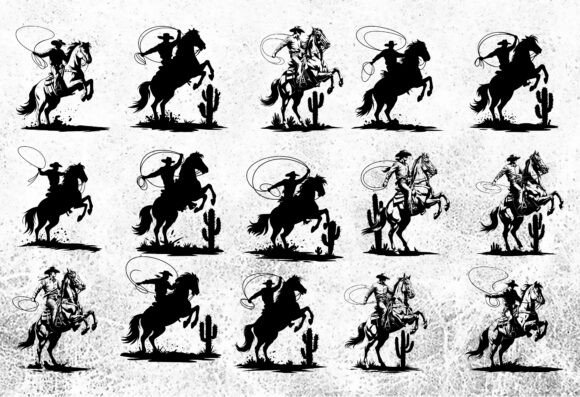
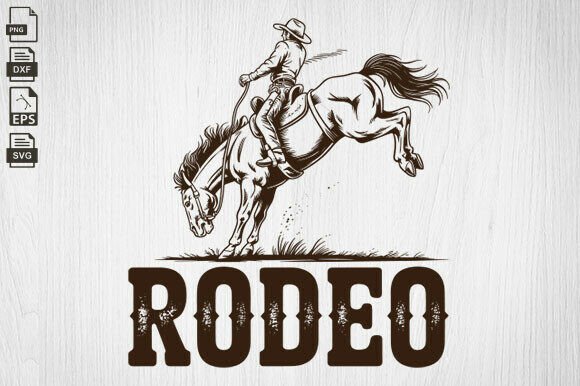
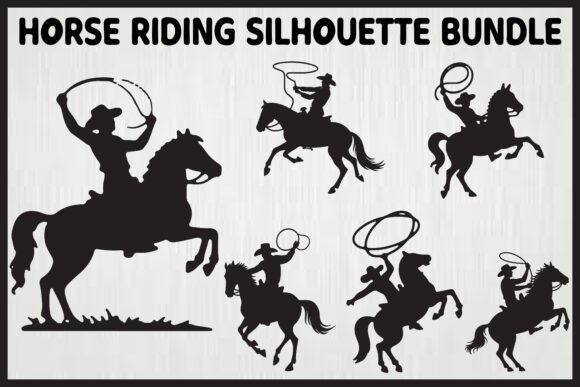
When I first opened the Cowboy Horse Riding Bundle, I was immediately struck by its bold, western flair. The design features a stylized cowboy on horseback with clean lines and a silhouette that screams “rodeo-ready.” It’s not overly detailed, which is a big plus for embroidery work—it avoids getting lost in stitch complexity while still delivering strong visual impact.What Mood Does It Create?
This bundle creates a warm, nostalgic mood—think rodeos, barns, and country fairs. It's ideal for products that evoke Americana or rustic charm. Whether you're making a custom sweatshirt for a ranch-themed birthday or designing a patch for a small shop selling western wear, the Cowboy Horse Riding Bundle brings a story to the fabric.Real-Life Use Scenarios
The SVG format worked well with my embroidery software, allowing me to scale the design easily for different hoop sizes. At 6 inches, the image retained clarity without becoming too busy. The silhouette style made it pop on a light-colored canvas tote, and even when printed as a preview on a printable mockup for their Etsy listing, the design looked professional and appealing. For a sweatshirt embroidery project, the same design scaled down to 4 inches and stitched cleanly across the chest area. The simplicity of the outlines allowed for easy customization—adding names or dates below the figure didn’t clash with the main motif. Another instance was using the PNG files to create a series of embroidered patches for a client selling vintage-style jackets. The contrast between the black silhouette and the bright red background fabric gave the patches a dramatic edge, and they were well-received during a test batch.Perfect Fits for Crafts and Graphics
- Tote bag designs with a rustic or country theme
- Sweatshirt embroidery for kids’ or adult-sized casual wear
- Baby clothes with a playful, gender-neutral appeal
- Holiday gifts such as personalized aprons or throw pillows
- Printable mockups for digital product sellers showcasing design versatility
- Nursery decor or wall art with a touch of equestrian charm
Design Performance in Different Embroidery Situations
One thing I always look for is how a design holds up under various stitching conditions. Here’s what I found with the Cowboy Horse Riding Bundle:Custom Apparel: The design stitches smoothly on medium-weight cotton blends, especially when using satin stitch for outlines and fill stitch for solid areas. Thread colors stand out better on lighter fabrics, so I recommend testing color schemes before mass production.
Patches and Caps: On flat surfaces like denim or felt, the design looks crisp. For curved surfaces like caps, I had to adjust the placement slightly to maintain symmetry after hooping. Still, it came out nicely with minimal tweaking.
Baby Items: The clean lines make it a good fit for baby bibs or onesies, where detail needs to be subtle but recognizable. Just be cautious with stretchy knits—extra stabilizer helped keep the shape consistent.
Commercial Projects: As a graphics file, it integrates well into branding materials. Its bold nature makes it suitable for logo-style applications, though I’d advise simplifying further if you’re aiming for minimalist branding.
Thread Color and Stitch Density Notes
The stitch density is moderate, which means it won’t strain most machines, but it does require attention to stabilizer use, especially on slippery or stretchy materials. Too little support and the lines may distort; too much and the design might look stiff.Where to Use with Caution
While the Cowboy Horse Riding Bundle is versatile, there are certain situations where it could fall short if not handled carefully:- Small hoop sizes: The full figure is best suited for at least a 5x7 inch hoop. Scaling it smaller than 4 inches risks losing definition in the horse’s legs or the cowboy’s hat.
- Textured fabrics: If you’re working with flannel, corduroy, or other rough textures, the fine details may not translate well. Stick to smoother bases like quilting cotton or twill for best results.
- Thin or stretchy fabrics: These need extra stabilizing to prevent puckering or distortion, particularly around the edges of the silhouette.
- Dark fabric backgrounds: Unless you use high-contrast thread, the design can appear washed out. Always do a test run in black and white to visualize how it will show up.
- Layered garments: When embroidering on items like vests over hoodies, ensure the design isn’t hidden by the inner layers. Positioning and fabric layer compatibility are important here.
Impact on Product Value and Customer Perception
In the world of handmade products and small business branding, presentation matters. The Cowboy Horse Riding Bundle adds a touch of personality and professionalism that customers notice. When applied to a tote bag or apron, it elevates the item from generic craft goods to something with character. As an Embroidery Designer, I’ve seen how this kind of imagery influences buyer engagement. It tells a story—whether it's about adventure, tradition, or family fun—and people connect with that. In one case, I added this design to a line of personalized sweatshirts for a school event. Parents loved the idea of their kids wearing a piece of American iconography with a modern twist.Handmade Presentation and Brand Consistency
If you're an Etsy seller or part of a craft business, consistency is crucial. The Cowboy Horse Riding Bundle can be a recurring element in your product line, giving your brand a signature look. It’s especially useful for creating seasonal variations—imagine a winter version with snowflakes or a holiday twist with festive colors.Practical Tips for Embroidery Designers and Makers
Here’s how I approach integrating the Cowboy Horse Riding Bundle into real projects:- Test on scrap fabric first: Especially if you're planning to use it on delicate or stretchy materials.
- Check thread color contrast: A simple black-on-white setup doesn’t always work for every fabric type or lighting condition.
- Review stitch density: Make sure the design isn’t too tight for the fabric or machine being used.
- Confirm hoop size: Some machines have minimum requirements, and going too small can lead to issues.
- Inspect small details: Silhouette-based designs often hide imperfections until they’re stitched.
- Use proper stabilizer: Especially for thin or stretchy fabrics to avoid puckering or shifting.
- Test in black and white: To see how it will look on unexpected fabric colors or in grayscale prints.
- Compare light and dark fabric backgrounds: Helps determine visibility and whether additional shading is needed.
- Check licensing terms: Before using the design in commercial projects or reselling digital files, confirm whether it allows resale of finished goods or redistribution.