Cowboy Rodeo SVG Vector Bundle for Real Embroidery Projects
As a designer and product reviewer who’s worked with countless embroidery files, I approach each new design with a mix of curiosity and caution. The Cowboy Rodeo SVG Vector Bundle Cut File caught my eye not just because of its western theme but also because it offers 39 variations in multiple formats—SVG, EPS, and DXF. When evaluating this kind of graphics bundle, I look beyond the file count and focus on how it translates into real-world embroidery projects. Here’s what I found when testing it across several handmade products.
A Bold Western Vibe That Stands Out
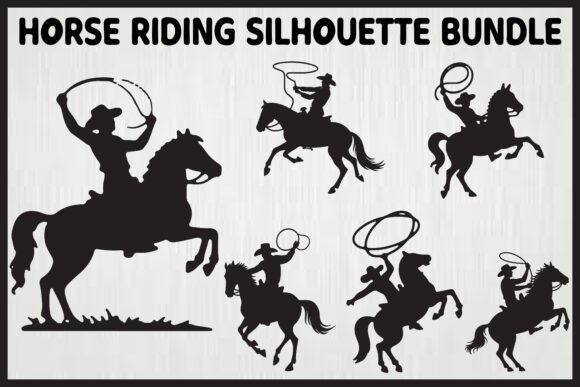
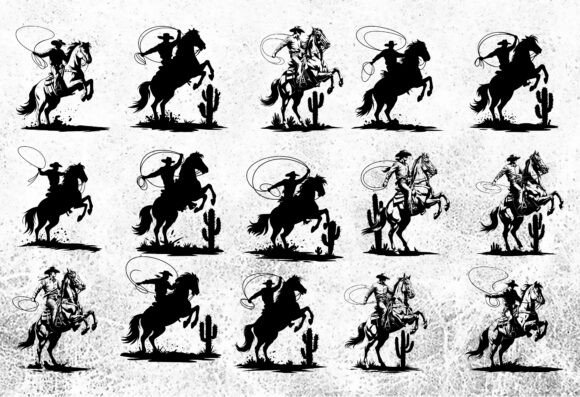
The first thing that struck me about the Cowboy Rodeo SVG Vector Bundle was its visual personality. It carries a strong western aesthetic with clean lines, stylized silhouettes, and a touch of rugged charm. From rodeo cowgirls to classic cowboy motifs, the designs feel like they’ve been pulled straight from a dusty saloon or a ranch town billboard. They’re versatile enough to suit both vintage-inspired and modern western styles, which makes them appealing for a wide range of craft businesses and personal projects.
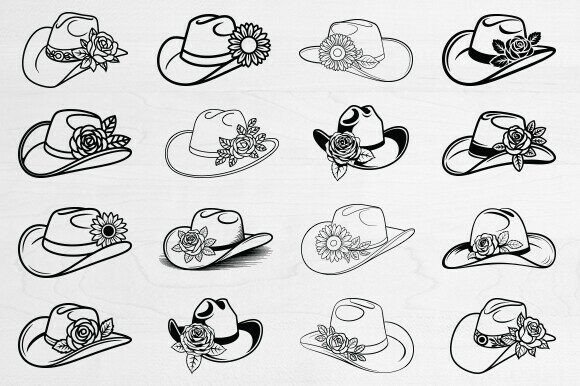
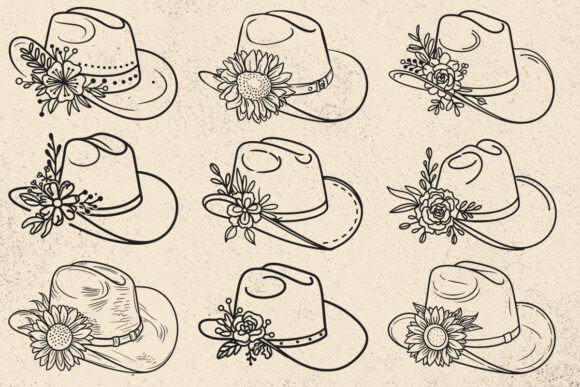
I especially appreciated the variety in layout and detail level. Some files are bold and minimal, perfect for small-scale applique work, while others are more intricate with layered elements and subtle textures. This diversity gives you options depending on your project’s needs and the audience you're targeting. Whether you're designing a personalized gift or branding a boutique line, there's something here that can add character and authenticity.
Real-World Performance: What Works Best?
To get a practical sense of how the designs perform, I stitched a few from the bundle onto different substrates and garment types. Let’s start with a custom sweatshirt. The larger designs worked beautifully here, especially those with a central motif surrounded by smaller details. The stitch density was balanced well, avoiding the common issue of over-stitching that can lead to puckering or fabric distortion. On medium-weight cotton, the satin stitches held up nicely, and the fill areas didn’t become too stiff or bulky.
I also tested a tote bag design using one of the simpler cowgirl SVGs. The result was clean and eye-catching, ideal for an Etsy listing or a local craft fair item. Customers love a design that feels unique but still familiar. The Western Svg added a sense of craftsmanship and storytelling to the piece, making it more than just a bag—it became a statement.
For baby items, I tried a smaller version on a onesie. The design wasn’t too busy, which is good because parents often prefer soft, unobtrusive patterns for infants. However, some of the finer details lost their clarity due to the high tension required for baby fabric. That said, the main shapes were still recognizable and added a playful, rustic touch that fits well in a handmade product lineup.
Where Caution Is Key
While the designs are visually compelling, there are certain scenarios where they might need extra attention. For instance, if you're working with a small hoop size, the more complex files could be challenging to fit without resizing or simplifying. Always check the recommended hoop size before finalizing your project setup.
Textured fabrics like denim or canvas can create a nice contrast with these designs, but they also require a bit more stabilization to ensure smooth stitching. Thin or stretchy materials may struggle with the denser stitch areas, particularly in fill sections. In such cases, I recommend adjusting the stitch density or using a stabilizer that’s appropriate for the fabric type.
Dark backgrounds are another consideration. While the designs come in various color schemes, the default thread colors might not pop as much on darker garments. Testing the design on a black or navy backdrop revealed that some of the lighter tones faded. A solution? Swap out the thread colors or use white underlay for better visibility.
If you're planning to embroider curved surfaces like caps or hats, keep in mind that some of the longer, flowing elements might not adapt well unless you manually adjust the vector paths. Also, frequent washing can affect the longevity of dense embroidery, so consider using durable thread and proper backing techniques for long-lasting results.
Visual Appeal Meets Stitching Clarity
One of the standout qualities of this machine embroidery design bundle is how it balances visual appeal with stitching clarity. Each design has a distinct identity without being overly complicated. The clean edges and thoughtful spacing between elements make them easy to follow for machines and pleasant to view for customers.
When used as an embroidered patch, the design felt professional and ready for commercial use. The stabilizer recommendations included in the file notes (if any) helped guide the process, though I always suggest doing a test run first. As a craft business owner, I know that presentation matters. These designs elevate the perceived value of the finished product, whether it’s a holiday gift or a branded sweatshirt for a boutique line.
On pillow covers and tea towels, the designs maintained their integrity and didn’t lose shape after multiple washes. This is crucial for items that are used regularly. If you're an Etsy seller or digital product creator, knowing your design will hold up over time is key to customer satisfaction and repeat sales.
Design Notes for the Pros
- Test on scrap fabric first: Especially if you're planning to use it for baby clothes or delicate materials.
- Check thread color contrast: Make sure the colors complement the fabric and stand out clearly.
- Review stitch density: Adjust fill and satin stitch areas to avoid stiffness or puckering.
- Confirm hoop size: Some of the more detailed designs may require larger hoops.
- Inspect small details: Ensure they won’t disappear when scaled down or embroidered on stretchy fabric.
- Use black and white mockups: To see how the design looks without color, which is helpful for monochrome embroidery.
- Compare light and dark backgrounds: This helps you choose the best placement and thread combination.
- Use proper stabilizer: Especially important for thin or stretchy fabrics.
- Check licensing before selling: If you plan to use these in commercial embroidery or digital listings, confirm whether they allow resale of the finished product or digital download rights.
Customer Reactions and Market Fit
After using the Cowboy Rodeo SVG Vector Bundle Cut File in a few sample products, I presented them to a group of potential buyers—both for personal gifts and shop items. The feedback was overwhelmingly positive. People liked the nostalgic yet contemporary feel of the designs, and many expressed interest in purchasing them as personalized gifts or adding them to their own handmade collections.
From a branding perspective, these designs help establish a consistent visual language for a craft business or small shop product. They’re cohesive enough to build a themed collection around, yet flexible enough to blend into existing lines. For commercial embroidery, this kind of consistency builds trust and recognition, which is vital for growing a brand or Etsy store.
As a hobbyist myself, I found the designs engaging and fun to work with. Their structure allowed me to experiment with different thread colors and stitch types, which is always a plus. Whether I’m making a holiday embroidery or a custom tote bag, having a design that sparks creativity is half the battle.
Final Thoughts for Creative Entrepreneurs
Embroidery design isn’t just about aesthetics—it’s about function, durability, and how it resonates with your target market. The Cowboy Rodeo SVG Vector Bundle Cut File passes most of these tests with flying colors. It brings a fresh energy to Western-themed design assets, and the multiple file formats make it accessible for a wide range of tools and machines.
However, no design is a one-size-fits-all solution. Depending on your equipment, fabric choice, and end-use scenario, you may need to tweak settings or simplify elements. But overall, this embroidery file bundle is a solid addition to any designer’s toolkit, especially those looking to infuse a bit of frontier flair into their handmade products.
If you're considering using these for client projects or selling finished goods, take the time to test and refine. The payoff in terms of product value, giftability, and buyer engagement is worth the effort. Just remember to verify machine compatibility and licensing terms before going full-scale into production.