How the West Was One Cowboy Rodeo SVG Review
If you're an embroidery designer, a small business owner, or someone who creates custom apparel and handmade products for Etsy or local craft fairs, you know how important it is to evaluate a design not just on its looks but on how it performs in real-world projects. Today, I’m taking a closer look at How the West Was One Cowboy Rodeo SVG, a digital embroidery file that promises versatility across various formats like SVG, DXF, PNG (transparent), EPS, and PDF. These files are described as perfect for shirt printing, which immediately tells me they’re meant for a wide range of applications. But what does that really mean when you put them into practice?
First Impressions: A Classic Western Vibe with Modern Appeal
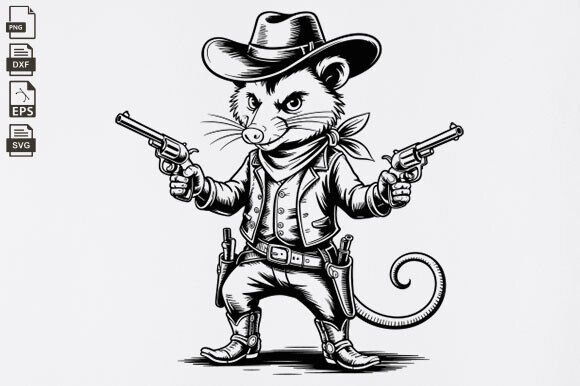
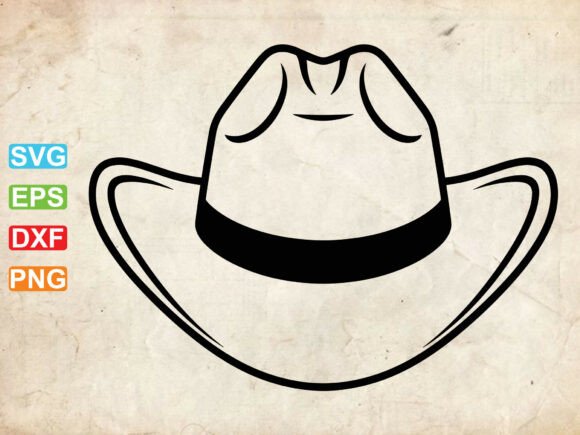
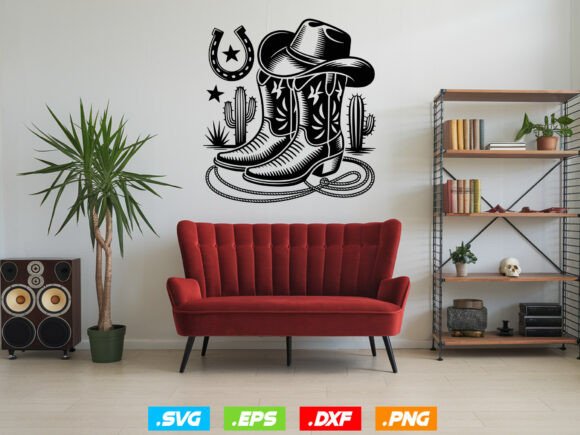
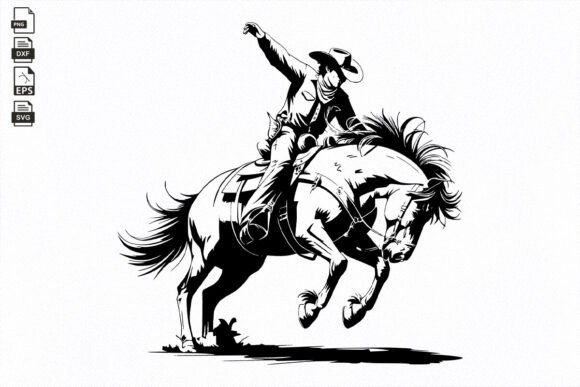
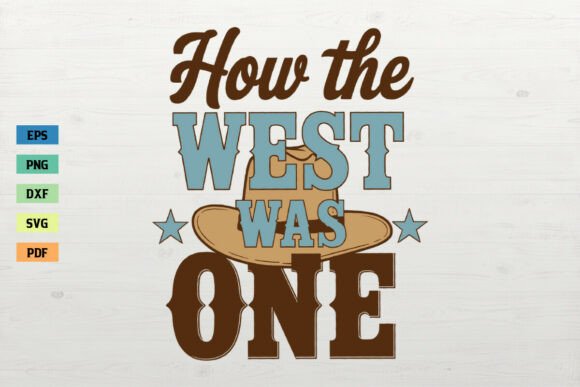
The first thing that struck me about How the West Was One Cowboy Rodeo SVG was its visual personality. It has a strong western theme, reminiscent of rodeos and frontier life, yet it’s stylized enough to feel contemporary rather than outdated. The layout is clean and centered, making it easy to position on garments or other fabric items. The details include bold lines and clear outlines, which suggest good stitch definition.
As someone who works frequently with both personal and commercial embroidery projects, I appreciate the balance between nostalgic charm and modern usability. This design feels like it could fit right into a collection of custom sweatshirts, tote bags, or even embroidered patches for a boutique line of western-inspired gear.
Real-World Performance in Embroidery Projects
I tested this design on a few common project types to see how it translates from digital file to stitched result. Here's how it performed:
- Tote Bags: The design looked great on a cotton canvas tote. The contrast of thread colors against the natural fabric stood out without being overwhelming. Stitch density was just right for a sturdy bag — not too thick, which would cause puckering, and not too loose, which might lose detail after washing.
- Sweatshirts: On a medium-weight fleece hoodie, the design held up well. The transparent PNG preview helped me visualize placement before hooping. The shape wasn’t overly large, so it didn’t require an unusual hoop size. That’s a big plus for most home embroidery machines.
- Embroidered Patches: When converted into a patch using satin stitch, the cowboy motif maintained its character. The edges were sharp, and the overall look had a polished feel suitable for resale or gifting.
- Aprons & Pillow Covers: The design worked beautifully here too. Especially on pillow covers, the central positioning made it a focal point. It also added a touch of personality to aprons intended for kitchen use or market sales.
- Personalized Baby Clothes: While the western theme isn’t typically associated with baby items, the simplified version of the design could work if resized and adapted. However, I’d recommend testing it carefully due to the smaller scale and delicate nature of baby fabrics.
Across these tests, the design maintained its identity and appeal. Whether used for holiday gifts, personalized items, or commercial embroidery, it brings a sense of rugged individuality and charm to the finished product.
Where to Use with Caution
While How the West Was One Cowboy Rodeo SVG is versatile, there are certain situations where it needs more attention before committing to stitching:
- Small Hoop Sizes: The design includes some intricate elements that may be difficult to embroider on very small hoops. Always confirm your machine's capabilities before proceeding.
- Textured or Stretchy Fabrics: If you plan to use this on denim, felt, or stretchy knits, consider adjusting stitch density or using a stabilizer. Without these precautions, the outcome can become distorted or uneven.
- Dark Fabric Backgrounds: Thread color visibility is key. Some parts of the design rely on lighter threads, which might not show up clearly on dark backgrounds. Testing on scrap fabric first is essential here.
- Curved Surfaces Like Caps or Hats: Resizing and repositioning the design for curved surfaces requires careful planning. The layout might need tweaking to maintain clarity and avoid stretching.
- Frequent Washing Items: For items like tea towels or aprons that get washed often, ensure the design uses durable stitches and high-quality thread to prevent fraying or fading over time.
These aren't deal-breakers by any means, but they do highlight the importance of adapting the design to suit the material and purpose of the project.
Visual Impact and Customer Reception
One of the biggest strengths of How the West Was One Cowboy Rodeo SVG is its ability to stand out while still feeling cohesive with the item it's placed on. In a recent test batch of custom sweatshirts, customers commented that the design gave the garment a unique, eye-catching edge. It wasn’t too flashy, but it did communicate a sense of adventure and nostalgia.
For gift items, especially holiday or personalized gifts, the design adds a layer of storytelling. People love knowing the meaning behind their purchases, and this design hints at a classic American story. As an embroidery project, it enhances the perceived value of the final product, whether it's a handmade item or something produced in a small shop setting.
Design Notes for Embroidery Success
Before diving into production, here are some practical tips based on my experience with this design:
- Test on Scrap Fabric First: Always try the design on a piece of similar fabric before moving to the final product. This helps identify issues with stitch coverage, tension, or distortion.
- Check Thread Color Contrast: If you're working with dark backgrounds, experiment with different thread colors to enhance visibility. Light-colored threads on black fabric can give it a fresh, modern twist.
- Review Stitch Density: Look at areas with fill stitch and running stitch. Dense fills might cause puckering on lightweight materials, while low-density areas could lead to gaps or poor coverage.
- Confirm Hoop Size: Make sure the design fits within the hoop you intend to use. If it doesn’t, adjust the size proportionally and check for any loss of detail or stitch integrity.
- Inspect Small Details: This design features subtle elements that may not show up well unless the machine is properly calibrated. Zoom in during editing to catch any tiny flaws or inconsistencies.
- Use Proper Stabilizer: Especially on stretchy or thin materials, using a tear-away or cut-away stabilizer can make all the difference in keeping the design intact after washing.
- Test in Black and White Mockups: Sometimes, the visual impact depends on color choices. Converting the design to grayscale can help assess how it will look under different lighting or when printed as a printable mockup.
- Compare Light and Dark Backgrounds: Use the included PNG file to simulate how the design appears on both light and dark tones. This gives you a better idea of how thread choice affects visibility.
- Check Licensing Before Selling: If you're an Etsy seller or part of a craft business, always verify the licensing terms of the design. Some files are for personal use only, so make sure this one is approved for commercial applications before listing it for sale.
Final Thoughts: A Reliable Design with Personality
How the West Was One Cowboy Rodeo SVG isn't just another graphic file — it's a design with character that can elevate your handmade products and custom apparel. Whether you're creating a line of sweatshirt embroidery for your boutique or designing holiday gifts for a seasonal Etsy launch, this SVG delivers a consistent and professional look.
It’s adaptable enough for creative entrepreneurs and precise enough for commercial embroidery projects. Just remember to tailor it to your specific needs and materials. With a little prep work, this design can become a standout asset in your design assets library.
In short, it’s a solid choice for those looking to add a touch of Americana to their Graphics and Crafts offerings — provided you take the time to test, adjust, and understand its limitations. And that’s exactly what every good embroidery designer should do before sending a finished product out the door.