Howdy Eagle Cowboy Hat SVG Review for Real Embroidery Projects
As a designer who’s worked with countless embroidery files, I know how important it is to choose the right digital assets for your project. The Howdy Eagle Cowboy Hat SVG caught my eye as a unique and versatile western-themed design that could add character to both personal and commercial items. Before jumping into production, I took a close look at its structure, visual impact, and real-world application. Here's what I found.
First Impressions: A Bold Western Statement
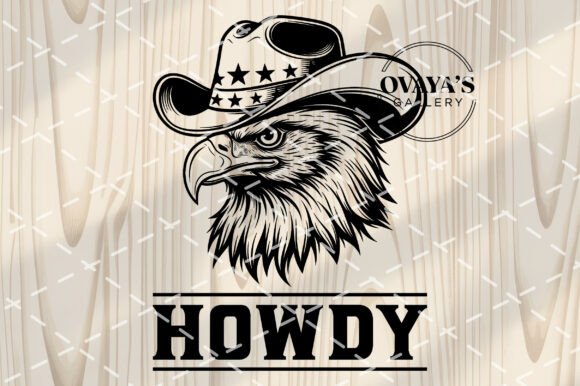
The Howdy Eagle Cowboy Hat SVG presents a classic western aesthetic with a twist. It features an eagle head cleverly shaped into a cowboy hat brim, which immediately gives off a sense of pride and Americana. The overall layout feels balanced and well-proportioned, making it easy to scale without losing clarity. The detail level is moderate but purposeful—just enough to make the design visually engaging without overwhelming the viewer or the machine.
This design has a strong personality. It’s not subtle, and that’s a good thing if you're aiming for bold, rustic, or country-style embroidery. The theme screams Wild West, so it naturally fits into farm décor, personalized gifts, or even custom apparel for a themed event or boutique line.
Where This Design Shines
- Custom Apparel: Sweatshirts, t-shirts, and tote bags are perfect for this design. Its size and detail work well on larger surfaces where the message can be clearly seen.
- Embroidered Patches: The Howdy Eagle Cowboy Hat SVG makes a great patch design for denim jackets, caps, or even leather gear. The clean lines and recognizable shape translate well in satin stitch outlines.
- Farmhouse Decor: Whether you’re embroidering a pillow cover, apron, or kitchen towel, this design adds a charming touch that complements rustic aesthetics.
- Personalized Gifts: For holiday gifts or wedding favors, especially in a country setting, this SVG brings a memorable visual punch that customers will appreciate.
- Commercial Embroidery: If you're running a craft business or Etsy shop, this file could serve as a solid design asset for branded merchandise or seasonal products.
Real-World Performance and Stitch Clarity
I tested the Howdy Eagle Cowboy Hat SVG on a few different fabric types to see how it would hold up in various projects. On medium-weight cotton, the stitch clarity was impressive—especially when using a good thread color contrast. The eagle motif stood out nicely, and the cowboy hat elements stitched cleanly without distortion.
However, when I tried it on a stretchy or thin fabric, things got tricky. The dense areas around the eagle’s feathers and the hat brim required more stabilizer than usual. Without proper backing, there was some puckering, especially in corners and along curved edges. So, while the design is adaptable, it does demand attention to material and technique.
For small shop products like embroidered caps or baby clothes, the design might need scaling down—but doing so risks losing the intricate details that make it appealing. I recommend keeping it to at least a 5-inch width for optimal stitch integrity and visual impact.
Design Notes for Crafters and Business Owners
- Test on Scrap Fabric First: Always do a trial run before stitching on final product materials. Especially with designs like this one that have multiple elements and potential dense stitching areas.
- Check Thread Color Contrast: Make sure your chosen thread colors pop against the background fabric. Darker threads on dark fabric won’t do much for visibility.
- Review Stitch Density: Look closely at the feathered areas and the base of the hat. These parts may require adjusting stitch density to avoid over-stitching or under-supporting the fabric.
- Confirm Hoop Size: While no exact hoop size is provided, based on the design’s footprint, I’d say a minimum of 6x10 inches is ideal. Smaller hoops may cause issues with spacing or corner detail.
- Inspect Small Details: The tiny lettering in “Howdy” needs extra care. Test it separately to ensure it stitches smoothly and doesn’t get lost in texture or shadow.
- Use Proper Stabilizer: Due to the mix of fill and satin stitches, a tear-away or cut-away stabilizer is recommended for best results, particularly on delicate or stretchy fabrics.
- Test in Black and White Mockups: Before purchasing thread, try converting the design to grayscale to see how it looks without color. This helps avoid unexpected outcomes when printing or sublimating.
- Compare Light and Dark Fabrics: The design works better on lighter backgrounds, where the western motif really shines. Dark tones can mute the effect unless you use contrasting threads.
- Confirm Licensing: As with any digital embroidery file, verify whether the design is suitable for commercial use before selling finished products or digital assets.
Use With Caution: Potential Limitations
While the Howdy Eagle Cowboy Hat SVG is a standout for many applications, there are a few situations where it should be used carefully:
- Small Hoop Sizes: Scaling it down too much may compromise the legibility of key elements like the eagle’s eyes or the word “Howdy.”
- Textured or Stretchy Fabrics: The design relies on smooth stitch flow. Textured materials like canvas or flannel may cause uneven results if not properly stabilized.
- Dark Fabric Backgrounds: Unless you're using light-colored threads, the design can become hard to see. Consider adding a white outline or background layer to enhance visibility.
- Curved Surfaces (e.g., Caps): The flat nature of the design means it won't wrap well around curved items without manual editing or resizing.
- Products That Need Frequent Washing: Dense stitching areas may pill or wear faster, especially on garments like sweatshirts or aprons. Choose durable thread and consider reinforcing those zones.
Visual Appeal and Brand Value
One of the strongest points about this design is its visual appeal. The eagle is a powerful symbol, and combining it with a cowboy hat creates a fresh take on traditional motifs. It’s the kind of graphic that turns heads in printable mockups and looks professional on finished products like tote bags or farmhouse-style wall art.
From a branding perspective, the Howdy Eagle Cowboy Hat SVG can elevate the perceived value of handmade products. It gives them a signature style that sets them apart from generic offerings. Customers looking for authentic, western-inspired merchandise will likely respond well to its presence, especially if it’s part of a cohesive collection.
Its adaptability also makes it a strong candidate for giftable items. Whether it's a holiday embroidery project or a personalized sweatshirt for a client, the design feels thoughtful and intentional. It’s not just decorative—it tells a story, which is key to buyer engagement and emotional connection.
Handmade Presentation and Professionalism
When it comes to handmade shops or Etsy sellers, presentation matters. The Howdy Eagle Cowboy Hat SVG brings a polished feel to otherwise simple items. An embroidered patch featuring this design on a leather jacket or denim cap instantly becomes a premium product.
For boutique owners or small shop product creators, maintaining brand consistency is crucial. This SVG can easily slot into a series of western-themed designs, helping to build a recognizable identity across all merchandise. Just pair it with complementary fonts or accents to create a unified look.
Final Thoughts for Embroidery Designers and Makers
In short, the Howdy Eagle Cowboy Hat SVG is a high-quality machine embroidery design that works best in large-scale applications. Its western charm and clear visual hierarchy make it a great fit for custom apparel, farmhouse decor, and commercial embroidery projects alike.
But remember, every design has its limits. Use it wisely by considering fabric type, hoop size, and the practical aspects of stitch coverage. Take time to test it on actual materials before committing to a batch of handmade products or digital embroidery files for sale.
If you're in the market for a graphics file that brings authenticity and flair to your craft business, this one deserves a spot in your design library. Just make sure it aligns with your project goals and customer expectations. After all, the best embroidery isn’t just about what looks good on screen—it’s about how it holds up in the hands of your buyers.