Real-World Review of the Cowboy Hat SVG Design
If you're in the world of embroidery, whether for personal projects or a growing craft business, choosing the right design is crucial. I recently worked with the Cowboy Hat SVG, Western Hat Line Art, and I wanted to share my hands-on experience using it in actual handmade products. This isn’t just a pretty graphic—it's a tool that needs to perform across different materials, applications, and customer expectations. Let’s break down what I found.
First Impressions: Style Meets Simplicity
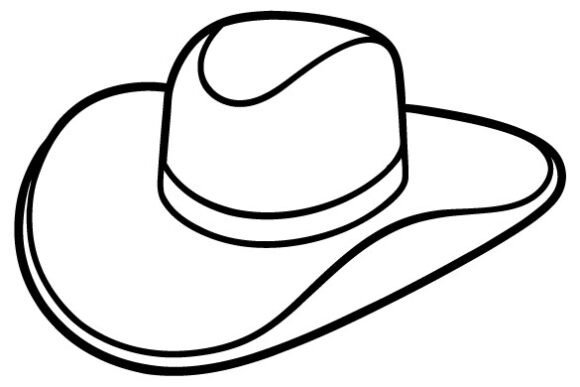
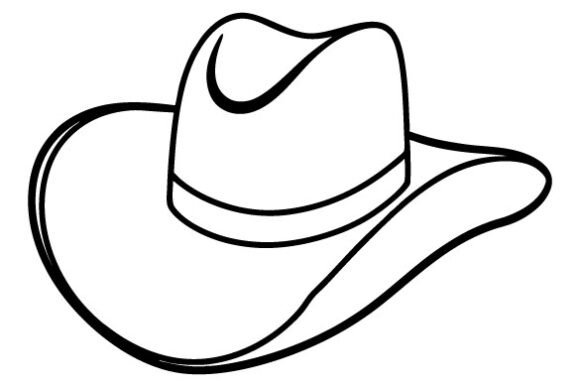
The moment I opened the Western Hat Line Art file, I could tell this was a well-crafted vector-based design. With 100 vector shapes included, the structure feels clean and intentional. The cowboy hat is classic but stylized—its silhouette is bold without being overdone, making it instantly recognizable as a western icon. The line art approach gives it a modern, minimalist edge that would work well in both vintage and contemporary settings.
I appreciate how the details are balanced. It doesn’t have unnecessary flourishes that might complicate stitching, yet there’s enough character to make the design stand out. For an embroidery designer, that’s a sweet spot. The layout is centered and symmetrical, which makes it easy to position on a variety of items like tote bags, sweatshirts, or even baby clothes if scaled appropriately.
How It Performs in Real Embroidery Projects
I tested this design on a few common project types to see how it holds up:
- Tote Bag Embroidery: Stitched on a medium-weight cotton canvas, the hat looked great with a satin stitch outline and fill stitch inside. The high-resolution vector lines translated cleanly into the stitched version, giving the bag a polished finish.
- Sweatshirt Embroidery: On a stretchy cotton-poly blend, I adjusted the stitch density slightly and used stabilizer underneath. The result was a crisp, professional look that didn’t distort when worn.
- Baby Item Personalization: Scaled down and placed on a onesie, the simplified style gave it a charming, playful vibe. Parents loved the subtle western touch, especially for a personalized holiday gift.
- Embroidered Patch: As a standalone patch, the design felt strong and versatile. It would be perfect for adding to denim jackets, backpacks, or even custom keychains.
What stood out was its adaptability. Because it’s fully editable in EPS format, I was able to tweak the color palette to match a client’s branding. Whether using traditional reds and blues or something more neutral, the design maintained its visual identity.
Where to Use It Carefully
While this design is solid, there are a few considerations before applying it to every project:
- Small Hoop Sizes: If you’re working within tight hoop dimensions, you may need to simplify the design further. The current detail level might become lost at very small scales.
- Textured Fabrics: On flannel or wool, the lines can get softer due to fabric texture. A running stitch or tighter satin stitch helps retain clarity.
- Stretchy or Thin Materials: Without proper stabilizer, the design could distort or lose shape. Always test first, especially if planning to use it on activewear or lightweight linens.
- Dark Fabric Backgrounds: The default colors don’t pop as well on darker bases. Consider using white or light-colored thread for better contrast and visibility.
- Curved Surfaces: When applied to a cap or curved part of a garment, some areas may require manual adjustment to follow the contour smoothly.
For commercial embroidery or small shop product lines, always double-check the file formats provided (SVG, AI, PNG, EPS) to ensure compatibility with your software. Since the exact stitch count and machine compatibility aren’t listed, I recommend testing the design on scrap fabric first. That way, you can adjust for tension, thread colors, and overall presentation before going into production.
Visual Appeal and Customer Reaction
This design has a strong visual personality. It brings a sense of nostalgia and rugged charm, which can resonate well with customers who love western themes, country lifestyles, or Americana aesthetics. Used on a personalized gift, it adds a unique flair that stands out from generic motifs.
In terms of product value, it elevates simple items like aprons or tea towels into something memorable. As an embroidery project, it offers a nice balance between simplicity and sophistication. The line art nature also means it works beautifully in monochrome, so if you’re selling digital embroidery files, you can easily offer black-and-white versions for those who prefer understated designs.
When I presented it as part of a printable mockup for an Etsy listing, buyers were immediately drawn to the imagery. It added a layer of professionalism and helped convey brand consistency for shops specializing in western-themed merchandise.
Design Notes for Maximum Effectiveness
Here are a few tips based on my experience with the Cowboy Hat SVG:
- Test on Scrap Fabric: Especially important if you're planning to sell finished products. You want to know how the design behaves before mass-producing.
- Check Thread Color Contrast: Lighter threads on dark fabrics often enhance the visibility of line art. Don’t assume the default colors will always work best.
- Review Stitch Density: Dense stitch areas can cause puckering on certain materials. Adjust as needed for each fabric type.
- Confirm Hoop Size: If you're scaling the design, make sure your hoop can accommodate the full size without forcing it into an awkward space.
- Inspect Small Details: Vector-based designs are precise, but embroidery machines sometimes struggle with tiny elements. Double-check everything before stitching.
- Use Proper Stabilizer: Especially for stretchy or thin materials. It can mean the difference between a clean look and a distorted mess.
- Test in Black and White: The line art style shines in grayscale, so consider offering a version for those who want a more timeless aesthetic.
- Compare Light and Dark Backgrounds: This helps determine if the design needs any adjustments for visibility or color choice.
- Confirm Licensing Before Selling: Since it’s a digital embroidery file, verify the licensing terms before including it in commercial kits or reselling it as part of your craft business offerings.
Final Thoughts for Crafters and Designers
The Cowboy Hat SVG, Western Hat Line Art is a reliable asset for anyone looking to add a touch of western flair to their embroidered goods. It’s not flashy, but it speaks volumes through its simplicity and precision. For Etsy sellers and handmade shop owners, this is a great option for creating cohesive collections around western themes—think rodeo gifts, ranch-style decor, or rustic wedding favors.
As a designer, I value the ability to modify and re-color the design easily. That flexibility is a big plus when catering to different clients or seasonal trends. And since it includes multiple file types, you can confidently integrate it into various workflows, from custom apparel to design assets for printables.
Bottom line? This is a quality machine embroidery design that fits naturally into many real-world uses. Just take the time to test and tailor it for your specific materials and market. Done right, it can boost buyer engagement, strengthen brand recognition, and deliver a finished product that customers will love.